Daily Philosophy
Daily Philosophy Making sense of the world.

  • de
  • Classics
  • Interviews
  • Books
  • All posts
  • Podcast
  • Reference
  • Authors
  • Submissions
  • Partners
  • About
German site 
Newsletter  Podcast
Image

October 18, 2026
Raveesh Gupta

The Positronic Prompt

How Asimov's Robots Anticipated the Sycophancy of Modern AI
Why AI agrees with us too much — how Asimov’s telepathic robot predicted sycophancy, and why we must make our machines argue back. (more...)
Image

October 11, 2026
Travis Rieder

Uncapped

Short story
A couple who chose eternal youth must decide whether to grow old again in order to have a child. A short story about love, mortality, and the price of a family. (more...)
Image

October 10, 2026
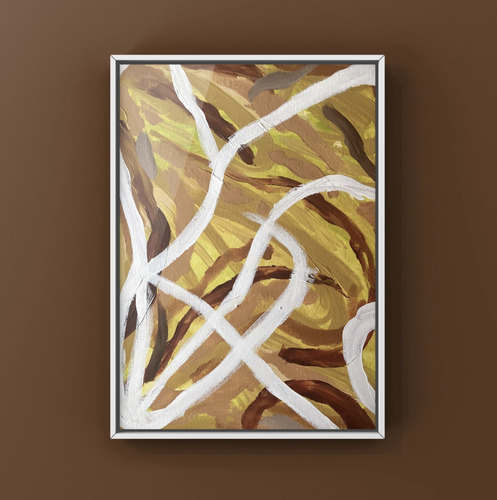
Rossella Vingelli

Human-Made Art of the Week: Rossella Vingelli

Promoting human-made art. This week, and artwork by Rossella Vingelli. (more...)
Image

October 10, 2026
Reference

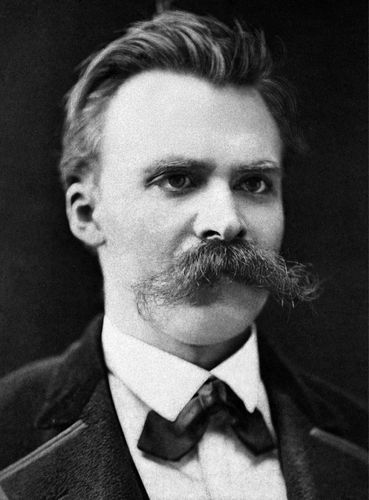
Friedrich Nietzsche

The philosopher who declared God dead and asked what we would do next
Who was Friedrich Nietzsche, what did he write, and what did he mean by the death of God, master and slave morality, the will to power, the Übermensch and eternal recurrence? A guide to his life, works, ideas and lasting relevance. (more...)
Image

October 9, 2026
Reference

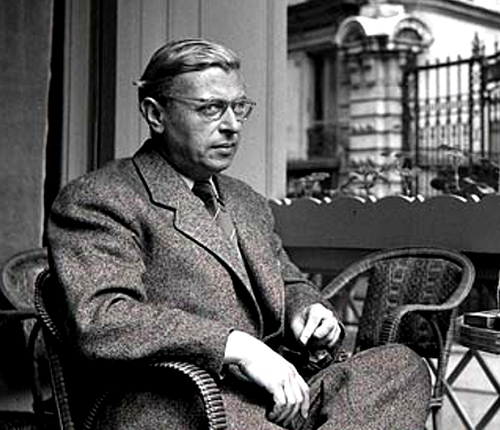
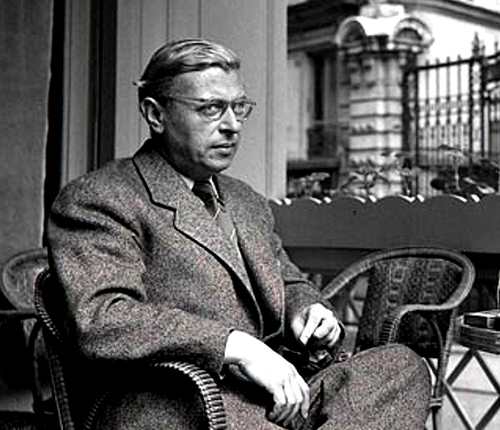
Bad Faith

Sartre on the lies we tell ourselves about our own freedom
What is bad faith (mauvaise foi) in Sartre’s philosophy? Sartre’s examples of the waiter and the woman on a date explained, and how bad faith compares to Heidegger’s authenticity, Nietzsche’s herd morality and Fromm’s escape from freedom. (more...)
Image

October 8, 2026
Reference

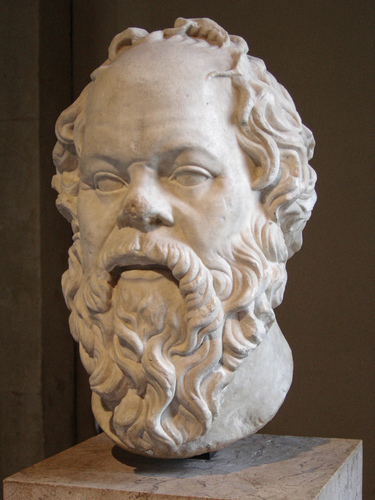
Plato: Lysis

Socrates, two boys and the question nobody can answer: what is a friend?
A guide to Plato’s Lysis, the first philosophical work on friendship: its setting, Socrates' conversation with Lysis and Menexenus, the puzzles about like and unlike, the ‘first friend’, the famous ending, and why this short dialogue still matters. (more...)
Image

October 7, 2026
Reference

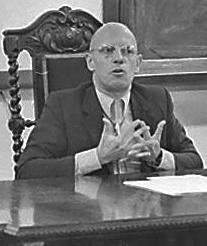
Michel Foucault

The historian of the present who showed how power shapes what we take to be true
Who was Michel Foucault, what did he write, and what did he mean by discourse, power/knowledge, discipline, biopower and the care of the self? A guide to his life, major works, key ideas and why he still matters. (more...)
Image

October 4, 2026
Reference

Existentialism

The philosophy of a life without a script
What is existentialism? A beginner’s guide to the movement from Kierkegaard to Heidegger, Sartre, Beauvoir and Camus – its core ideas, its religious and atheist wings, and the argument that Sartre was never really an existentialist at all. (more...)
Image

October 4, 2026
Rodney King

Solvitur Ambulando

The Philosophy That Was Meant to Be Walked
Philosophy was once something you did on foot. From Diogenes and Aristotle to Kant and Nietzsche, walking shaped how thinkers thought — and we lost something when it moved indoors. (more...)
Image

October 2, 2026
Reference

Love in Judaism

A religion that commands you to love -- and then asks how that is possible
What does Judaism teach about love? From the Shema and Leviticus to Maimonides, Hasidism, Buber and Levinas: how Jewish thought understands love of God, of neighbour, of the stranger, and in marriage. (more...)
Image

October 2, 2026
Reference

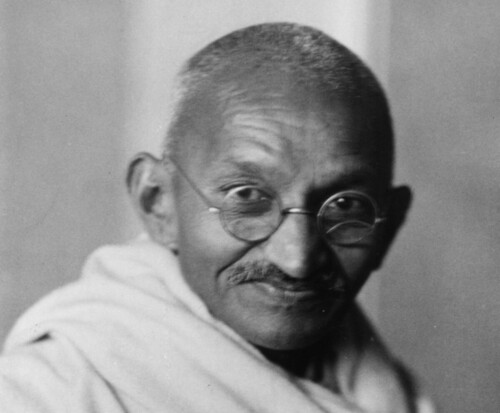
Mahatma Gandhi

The man who turned non-violence into a political weapon
Who was Mohandas K. Gandhi, what did he believe, and why do his ideas of truth, non-violence, satyagraha and self-rule still matter for how we live and fight for things today? (more...)
Image

September 28, 2026
Reference

Love in Buddhism

Mettā, karuṇā and bodhicitta: how a tradition that warns against attachment made boundless love the heart of its ethics
The Buddha told a grieving grandmother that those who have a hundred dear ones have a hundred sorrows. The same Buddha taught his monks to love all beings as a mother loves her only child. This guide explains how Buddhism distinguishes love from attachment, sets out the three main forms of the theory – the Theravāda divine abodes, the Mahāyāna bodhisattva ideal, and the Tibetan and East Asian transformations of both – and shows why, in a tradition without a God, compassion took the place that divine love occupies elsewhere. Part of our series on love in the world religions. (more...)
Image

September 28, 2026
Reference

Love in Hinduism

Kāma, prema and bhakti: how the Hindu traditions understand love, and why devotion became its highest form
Hinduism has no single word for love – it has a dozen. This guide explains the main ones, surveys how the Vedas, Upaniṣads, Advaita and the Gītā treat love, and then focuses on bhakti, the devotional tradition that made love of God the heart of religious life. Part of our series on love in the world religions. (more...)
Image

September 28, 2026
Reference

Love in Islam

Ḥubb, ʿishq and raḥma: how Muslim theologians, philosophers and Sufis understood love, and why the mystics made it the meaning of everything
The Qur’an says that God loves and is loved, and Muslims have argued for fourteen centuries about what that means. This guide explains the key Arabic words, sets out the three main theories – the theologians' love as obedience, the philosophers' love as cosmic attraction, and the Sufis' love as the secret of creation – and shows how the mystical tradition turned even Layla and Majnun into a parable of the soul. Part of our series on love in the world religions. (more...)
Image

September 28, 2026
Reference

Virtue

From Homeric excellence to the character strengths of modern psychology: the long life of a central idea
For two thousand years, ‘virtue’ was the central word in Western ethics – the name for whatever it is that makes a person good at being a person. Then it nearly disappeared, and then it came back. This entry traces the concept from Homer and Socrates through Plato, Aristotle, the Stoics and Aquinas to Hume, Kant and the twentieth-century revival, and asks what a virtue actually is. (more...)
Image

September 28, 2026
Reference

Virtue Ethics

The third way in moral philosophy: what it claims, why it came back, and where it is vulnerable
Virtue ethics asks not what you should do but what kind of person you should be. This guide explains the modern revival – Anscombe, Foot, Hursthouse, MacIntyre – its main varieties, its advantages over Kantian and utilitarian ethics, and the strongest objections to it. (more...)
Image

September 27, 2026
Brentyn J. Ramm

Morality Beyond the Head

Sartre and Harding on Ethical Openness
Such examples point to the possibility of a non-ego-based ethics. They suggest that moral action does not require deliberation or even a sense of being a separate self. (more...)
Image

September 27, 2026
Reference

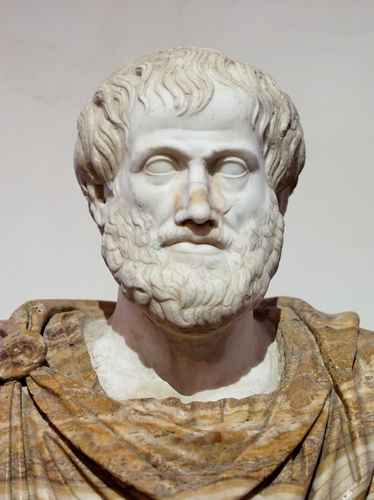
Aristotle

The philosopher who wanted to understand everything
Who was Aristotle, what did he write, and why does a thinker from the fourth century BCE still shape how we think about logic, nature, happiness and the good life? (more...)
Image

September 27, 2026
Reference

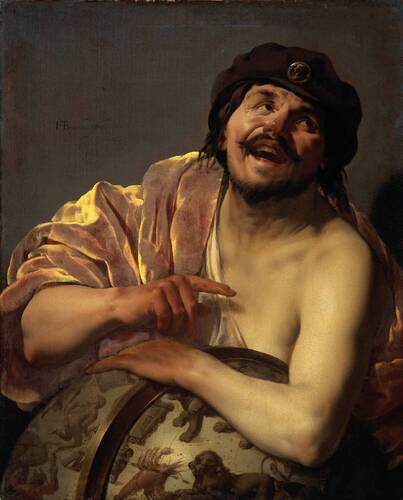
Democritus

The laughing philosopher who built the world out of atoms and void
Twenty-four centuries before the periodic table, Democritus of Abdera argued that everything – rocks, souls, colours, gods – is made of tiny uncuttable particles moving in empty space. He was ignored by Plato, refuted by Aristotle, and vindicated by modern science. This is who he was, what he taught, and why his ideas still unsettle us. (more...)

Image

September 27, 2026
Reference

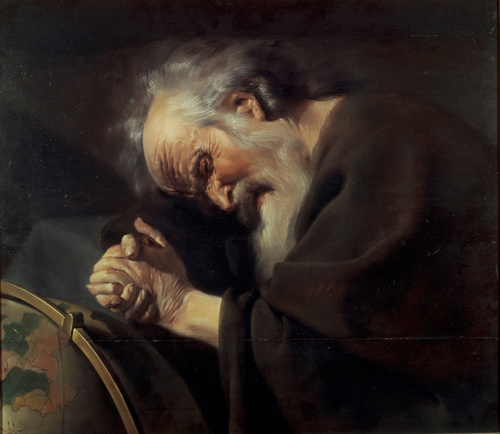
Heraclitus

The philosopher of fire, flux and the hidden harmony of opposites
Who was Heraclitus, what did he mean by saying that everything flows, and why has this obscure aristocrat from Ephesus fascinated thinkers from Plato to Hegel, Nietzsche and Heidegger? (more...)
Image

September 27, 2026
Reference

Mind, Philosophy of

A beginner's map of the main theories of what the mind is
Is your mind the same thing as your brain? Something separate from it? A pattern of behaviour, a kind of software, or an illusion? This guide walks through the main theories of mind – dualism, behaviourism, identity theory, functionalism, epiphenomenalism, eliminativism and more – with an example for each showing what it explains well and where it struggles. (more...)
  • ««
  • «
  • 1
  • 2
  • 3
  • 4
  • 5
  • »
  • »»
© Daily Philosophy 2026. All rights reserved.